

Glowing Skincare Begins With Daily Sun Protection
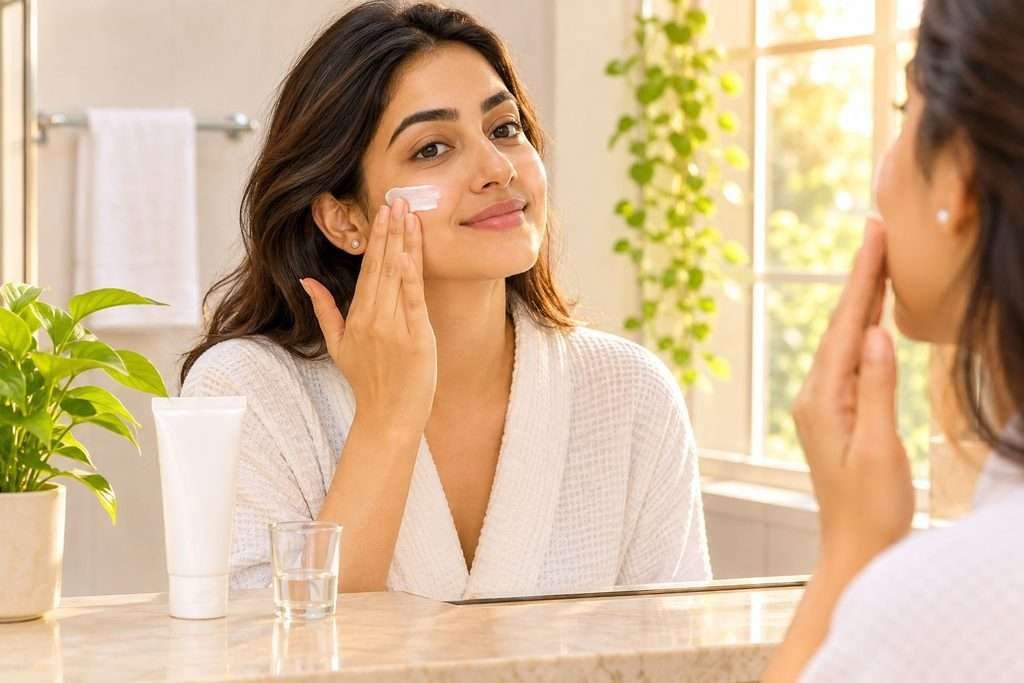
Most people chase glowing skincare by adding products. Dermatologists chase it by protecting the skin they already have. The American Academy of Dermatology recommends a broad-spectrum, water-resistant sunscreen of at least SPF 30 whenever you spend time outdoors. That threshold matters because of how the numbers work. SPF 15 blocks about 93 percent of UVB rays, SPF 30 blocks 97 percent, and SPF 50 blocks 98 percent. wtopwtop
The label tells only half the story, because the amount you apply decides your real protection. Research shows most people apply only 25 to 50 percent of the recommended amount, and applying half the proper amount of an SPF 15 sunscreen gives an in-use SPF of about 5. The shot-glass guideline covers the whole body, but the principle applies to your face too: a thin layer delivers thin protection. prnewswire
Reapplication matters as much as the first layer. Dermatologists advise reapplying every two hours. Indoor days do not erase the risk either. UVA radiation, which contributes to skin cancer and early aging, passes through window glass, so a car ride or a desk beside a window still exposes you. wtopwtop
Sunscreen also targets the concerns that dull a complexion most. Dermatologists at Avera Medical Group note that SPF 30 sunscreen prevents the sun damage that leads to cancer, dark spots, and wrinkles. If you want glowing skincare that lasts, treat sunscreen as the foundation and every other product as a supporting act. avera
2. Gentle Cleansing and Moisturizing Protect Your Skin Barrier
Aggressive cleansing feels productive, but it works against glowing skincare. Harvard Health reports that harsh cleansing strips the skin’s outer layer, which makes it harder for skin to hold moisture and leads to dryness. Dermatologist Ileana Perez-Quintairos makes the same point about scrubbing. She warns that scrubbing your face can cause inflammation and redness and can damage the skin’s protective layer. harvardbaptisthealth
A good cleanser has a modest job. It should remove the dirt, oil, makeup, and pollutants that build up during the day without irritating your skin. Choose a mild formula, use your fingertips, and skip the washcloth friction. baptisthealth
Moisturizer completes the barrier. Many people with oily skin skip it, which backfires. Dermatologists say even oily or acne-prone skin benefits from a daily moisturizer, because it helps keep oil production down and prevents the dryness that acne treatments cause. If you want to simplify your mornings, combine steps. Harvard Health notes that a combination moisturizer and sunscreen works well for efficiency. Pick a lightweight gel or lotion if you live somewhere hot and humid, and a richer cream if your skin feels tight by evening. baptisthealthharvard
This section of your routine costs little and delivers visible results. Hydrated, calm skin reflects light evenly, and that even reflection is what people mean when they describe a glow.
3. Retinoids Give Glowing Skincare Its Strongest Evidence

Serums with bold promises crowd Indian beauty aisles, yet dermatologists keep returning to one ingredient family. Harvard Health explains that retinoids increase collagen and help strengthen skin and restore elasticity, and that regular use can improve wrinkles, sun spots, and overall texture. Texture, spots, and fine lines drive most of the dullness that people want to fix, so retinoids earn their place in glowing skincare. harvard
You have two broad options. Adapalene, a synthetic retinoid, is available over the counter as Differin, while prescription tretinoin (Retin-A) works more strongly but irritates the skin more. Start gently, because your skin needs time to adjust. One dermatologist describes her own limit clearly. She uses prescription tretinoin only two to three times a week, because more frequent use makes her skin flake or peel. Her tolerance is personal, so treat it as an example, not a schedule. yahoomemorialhermann
Buffering helps with irritation. Dermatologists suggest following your retinoid quickly with moisturizer, or mixing the two, to soften the effect. Apply it at night and let your morning sunscreen handle daytime protection. yahoo
Retinoids do not suit everyone. The same dermatologist recommends a nighttime retinoid for everyone except people who are pregnant or nursing. If you fall into that group, or if you have eczema or very reactive skin, talk to a board-certified dermatologist before you start. memorialhermann
4. Consistency Beats Complexity in Glowing Skincare

The skincare market offers endless products, and endless choice tempts people to stack actives, switch brands monthly, and abandon routines after two weeks. Dermatologists advise the opposite. Dr. Shari Lipner of Weill Cornell Medicine says an effective routine should be as simple and consistent as possible. The same source adds that for many people, cleansing, moisturizing, and sunscreen alone produce a noticeable improvement. yahooyahoo
Consistency also applies to the sunscreen you choose. The bottom line from dermatologists is to wear the sunscreen you enjoy enough to use regularly, whether it is chemical, physical, or a combination. A pricey formula that stays in the drawer protects nobody. Test textures, pick a finish you like on your skin tone, and keep it by your toothbrush. yahoo
The Avera dermatologists back a short list too. They recommend a fragrance-free moisturizer, a gentle cleanser, a retinoid, and a sunscreen of at least SPF 30. They also advise you to avoid gimmicks, and they suggest consulting a dermatologist before buying products, since some ingredients irritate conditions such as acne or eczema. averaavera
Here is a practical way to build the routine:
- Morning: gentle cleanser, moisturizer, then broad-spectrum SPF 30 or higher.
- Evening: the same gentle cleanser, a retinoid if your dermatologist agrees it suits you, then moisturizer.
- Rule for new products: add one at a time and wait before you add another, so you can identify what helps and what irritates.
Track your results for several weeks before you judge anything. Skin changes gradually, and a routine needs time to show what it can do.
Glowing skincare rewards the person who protects, hydrates, and repeats. Build those four habits first, and every other product on your shelf will have a healthy base to work on.
Written by veloarev.com
External Resources (Fact Sources)
- Sunscreen Recommendations Explained: How to Protect Your Skin This Summer (American Academy of Dermatology guidance, via WTOP/U.S. News): https://wtop.com/news/2023/08/sunscreen-recommendations
- Safeguard Your Skin and Make the Smart Choice to Use Sunscreen (American Academy of Dermatology press release, via PR Newswire): https://prnewswire.com/news-releases/safeguard-your-skin-and-make-the-smart-choice-to-use-sunscreen-this-summer-159079975.html
- Winning the Skin Game (Harvard Health Publishing): https://www.health.harvard.edu/winning-the-skin-game
- 4 Essentials for Healthier, Younger-Looking Skin (Baptist Health): https://baptisthealth.net/baptist-health-news/skin-care-products-antiaging/
- Here’s Exactly How and When to Use 5 Basic Skin-Care Staples (SELF, via Yahoo): https://www.yahoo.com/lifestyle/exactly-5-basic-skin-care-183514217.html
- Skin Solutions Everyone Should Follow (Avera): https://www.avera.org/balance/dermatology/skin-solutions-everyone-should-follow